
Kyuden Group Carbon Neutral Vision 2050


Declaration of Carbon Neutrality by 2050
The Kyuden Group aims to achieve carbon neutrality by the year 2050.
Starting from Kyushu, the Kyuden Group will lead the way to Japan's decarbonization
- We aim to become a corporate group that leads the decarbonization of Japan from Kyushu as a front-runner in carbon reduction and decarbonization efforts, using our response to global warming as an opportunity for corporate growth.
- We have established two pillars of initiatives on both the energy supply and demand sides, through which we will continue to take on the challenge of carbon reduction and decarbonization of power sources, and promotion of electrification.
- Under the leadership of the Sustainability Promotion Committee, chaired by the president, we will promote ESG-related measures and initiatives for achieving carbon neutrality.

Kyuden Group's Goal for 2050
The Kyuden Group aims to achieve carbon neutrality by the year 2050 and carbon negative as early as possible before 2050, by reducing GHG emissions in its supply chain and contributing to the reduction of emissions across society.
- We will reduce greenhouse gas (GHG) emissions throughout our supply chain to net zero through our business activities.
- We will contribute to the reduction of GHG emissions in society by promoting the maximum possible electrification and ensuring the stable provision of environmentally friendly energy.
- Through these efforts, the Kyuden Group will achieve carbon negative* as early as possible before 2050.
*: By promoting electrification and developing renewable energy, we aim to generate GHG reductions that exceed the Kyuden Group's own emissions, thereby achieving this "carbon negative" status in relation to society's overall GHG emissions through our business activities.

Source: Created by the Kyuden Group based on the "Calculation of Supply Chain Emissions" from the Ministry of the Environment *: Following the GHG Protocol, which is the international standard for calculating and reporting GHG emissions, emissions are calculated for three different scopes (categories) of emission types.
Roadmap to 2050
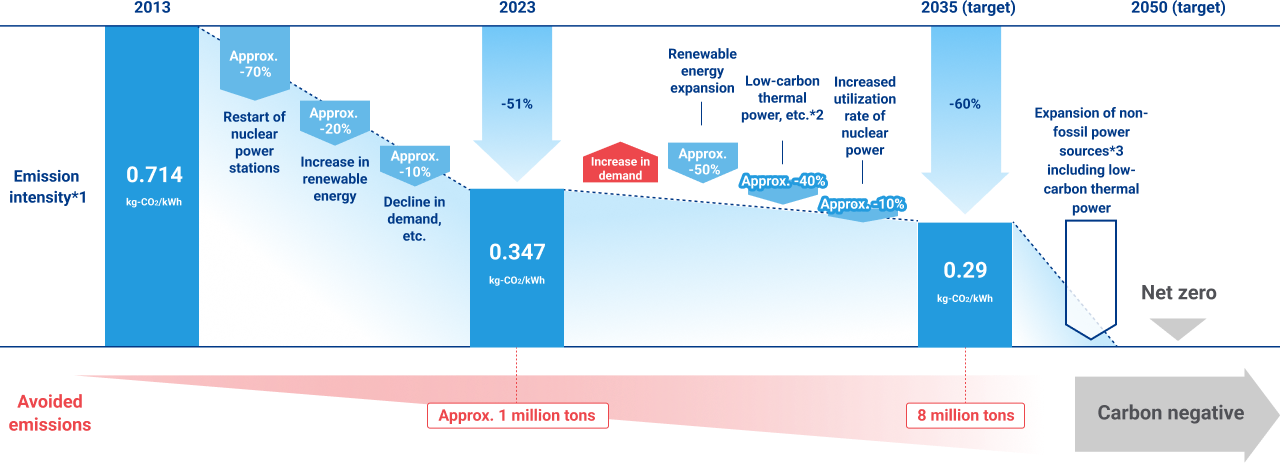
*1: In accordance with the GHG Protocol, Scopes 1, 2, and 3 are included. *2: Such as the construction of high-efficiency LNG power stations, co-firing of hydrogen and ammonia in existing power stations, CCS, and procurement from low-carbon sources. *3: Such as efforts to expand renewable energy, and explore the development and installation of next-generation innovative nuclear reactors. Note: The achievement of carbon neutrality by 2050 and the environmental targets for 2035 outlined in this roadmap are contingent upon the establishment of national policy support and technological advancements. As such, this roadmap may be subject to revision based on changing circumstances.
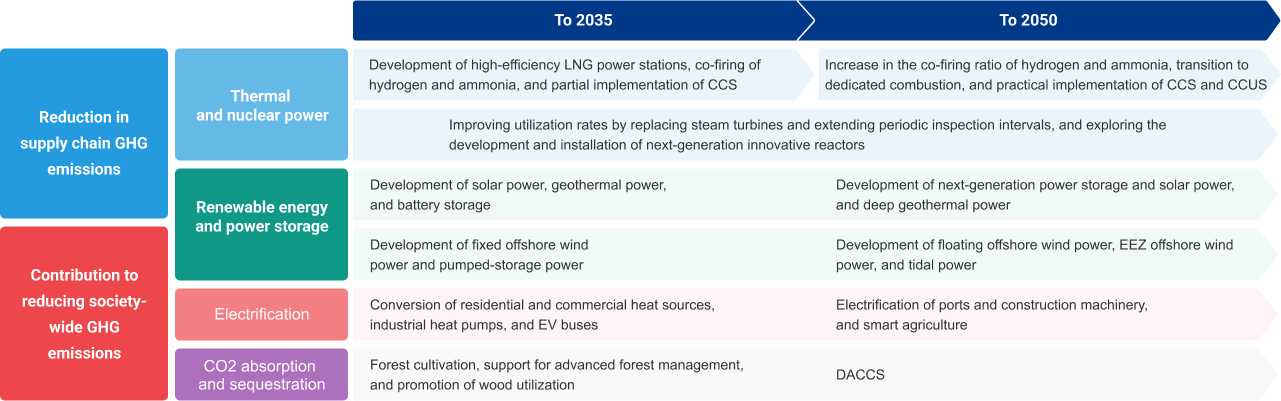
Initiatives Towards Future Social Implementation
To achieve carbon neutrality by 2050 and realize carbon-negative status as early as possible, we will pursue medium- to long-term technical development and related initiatives with a view to future social implementation.
Renewable energy and power storage
 Tidal power generation
- Utilization of untapped marine energy
- Early practical application on remote islands and similar locations
 Next-generation power storage
- Demonstration testing and practical application of all-solid state batteries
- Establishment of evaluation methods and monitoring control technology for next-generation batteries
 Deep geothermal power generation
- Technical evaluation and domestic and international demonstration projects aimed at commercializing deep geothermal power generation technology*1 that creates deep artificial reservoirs (3 km or deeper)
 Next-generation solar cells
- Research and performance assessment for demonstrations and practical implementation of high-efficiency quantum dot solar power technology*2
- Study its use when replacing existing solar panels
Technology development aimed at the mid- and long-term
*1: By creating artificial reservoirs at depths of 3 km or more, geothermal power generation becomes feasible regardless of location (in Kyushu, high-temperature layers are relatively shallow). Under high-temperature and high-pressure (supercritical) conditions, this approach enables higher efficiency and greater output compared to conventional geothermal power generation. *2: High-efficiency solar power generation using quantum dots with a broader light absorption spectrum than conventional solar panels. When adopted during solar panel replacement, it enables approximately twice the power generation from the same surface area.
Electrification
 Smart agriculture
- Conversion of heat sources to temperature-adjustable heat pumps, optimal production environment management through sensors and AI, and the creation of high-added-value agricultural products
- Labor-saving through the use of self-driving tractors and harvesting robots
 Electrification of ports
- Power supply to ships at berth and electrification of port facilities, such as cargo handling machinery
- Electrification of ship propulsion systems
CO2 absorption and sequestration
 Forest cultivation
- Effective management of owned forests
- Enhancement and support of J-Credit projects utilizing forest resources
- Expansion of forestry business
 DACCS
DACCS
- Demonstration testing and practical implementation of technology for direct capture of CO2 from the atmosphere (regardless of location)
- Site and technical assessment for the demonstration and practical implementation of technology for CO2 underground storage
Technology development aimed at the mid- and long-term
*1: By creating artificial reservoirs at depths of 3 km or more, geothermal power generation becomes feasible regardless of location (in Kyushu, high-temperature layers are relatively shallow). Under high-temperature and high-pressure (supercritical) conditions, this approach enables higher efficiency and greater output compared to conventional geothermal power generation. *2: High-efficiency solar power generation using quantum dots with a broader light absorption spectrum than conventional solar panels. When adopted during solar panel replacement, it enables approximately twice the power generation from the same surface area.
Kyuden Group Vision for Carbon Neutrality

Carbon reduction and decarbonization of power sources (supply side)
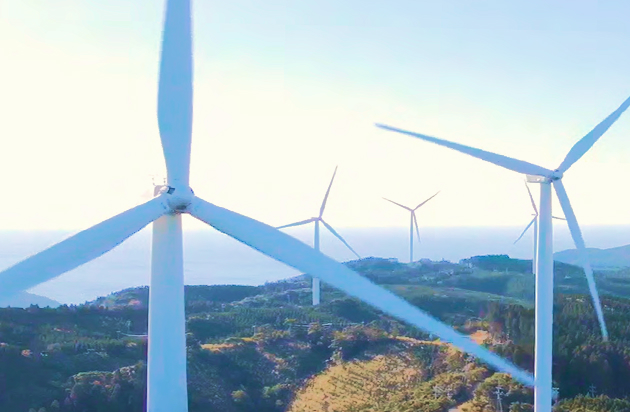
Renewable energy + Power storage
- Accelerate development and investment in renewable energy, including pumped storage and storage batteries, within Kyushu, across Japan, as well as internationally
- Expand sales volume of renewable energy + maximize value
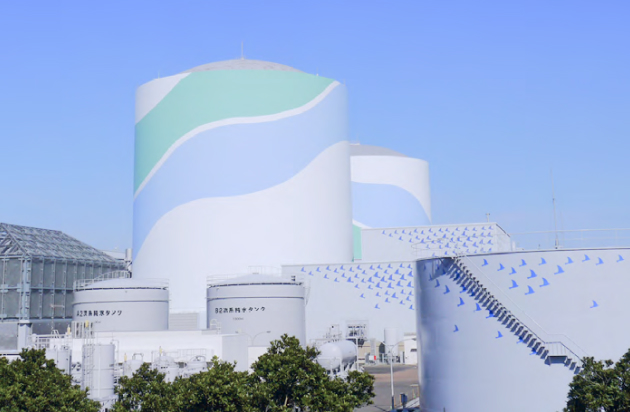
Nuclear power
- Maintain and enhance utilization rate
- Explore the development and deployment of next-generation innovative reactors
- Study the potential for hydrogen production
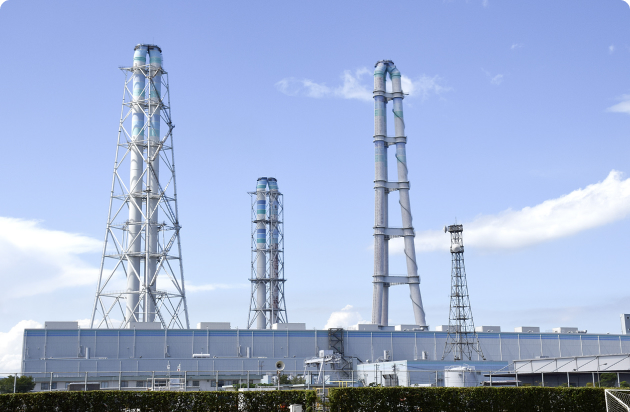
Thermal power + New technologies, etc.
- Further improve efficiency
- Hydrogen and ammonia co-firing, with dedicated firing in the future
- Strive for practical implementation of CCS/CCUS*
*: CO2 capture, utilization, and storage
Promotion of electrification (demand side)

Electrification in each sector
- Promote all-electric homes and electrification for air-conditioning, hot water supply and kitchen equipment at commercial facilities (residential and commercial sectors)
- Conduct research on technologies for converting heat sources and electrify heating demand at a wide range of temperatures (industrial sector)
- Provide businesses and services to promote the widespread use of EVs (transport sector)
- Study the business potential of hydrogen supply and similar

Regional energy
- Contribute to the development of regional energy systems
- Enhance the added value of cities and local communities
- CO2 absorption through effective forest management
- Promote the use of ships powered by low and zero-carbon fuels
Grid

- Operate the transmission and distribution network on a cross-regional basis
- Advance technologies for demand-supply management and grid stabilization